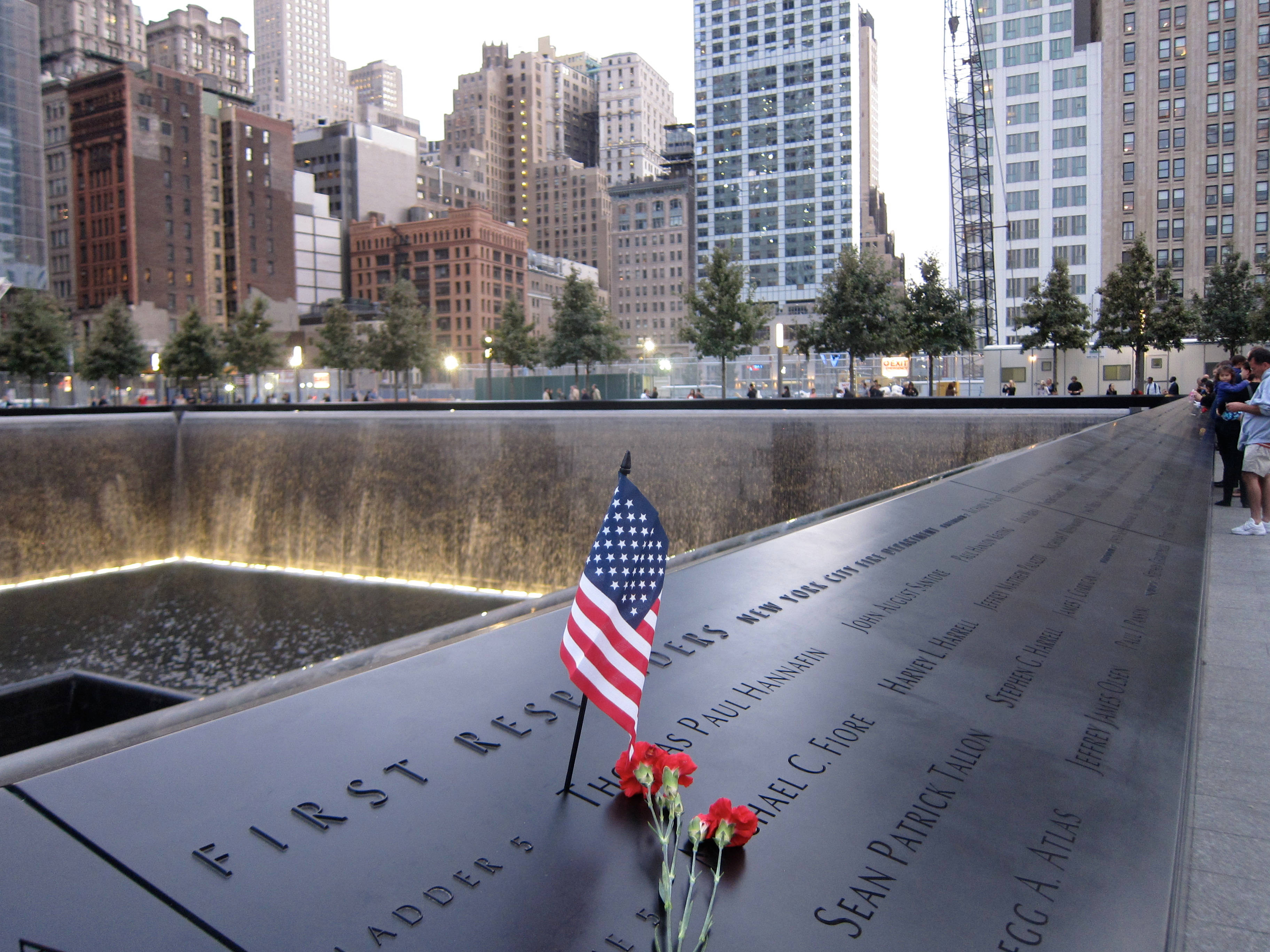
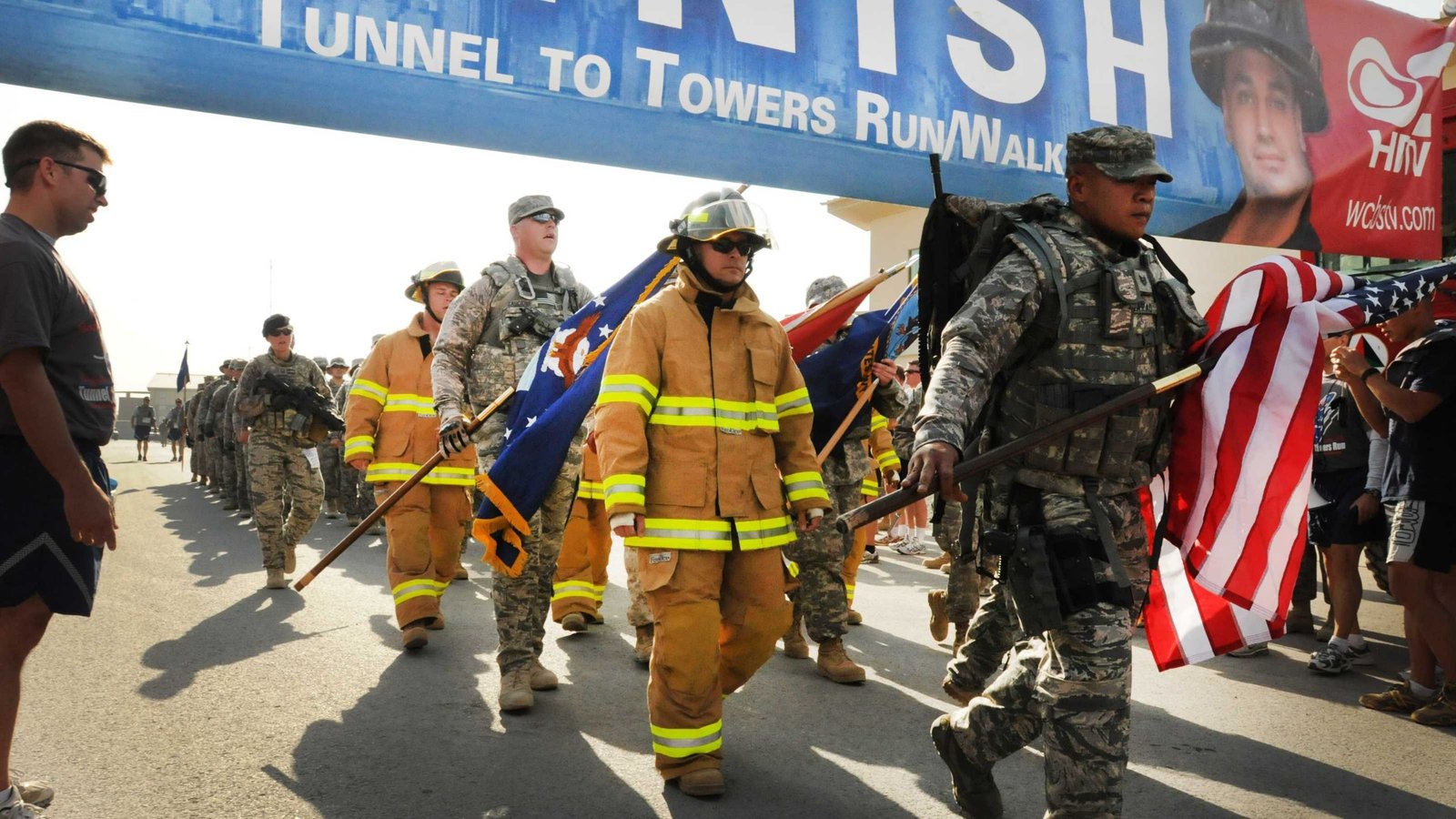
He had just finished his shift and was headed to play golf with his brothers. When the tunnel closed in front of him, he did not turn around. He strapped on sixty pounds of gear and ran nearly two miles through it on foot — toward the one place everyone else was running from.
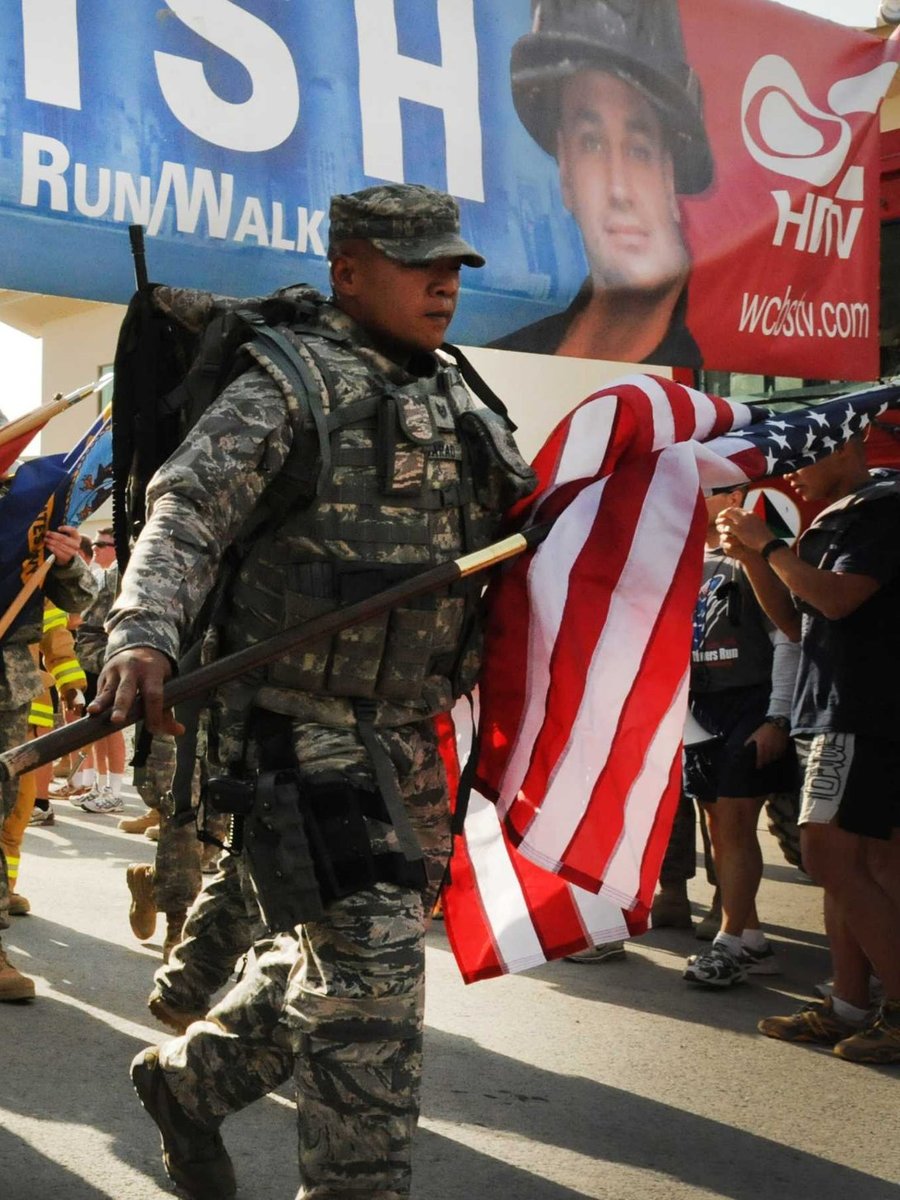
Stephen Gerard Siller was the youngest of seven children born to George and Mae Siller — fourteen years younger than the next-closest sibling. His father died when he was eight; a year and a half later, his mother was gone too. His older brothers and sisters raised him, and he grew up with his eldest brother, Russ, in Rockville Centre on Long Island. His parents were lay Franciscans, and the family lived by a line from St. Francis of Assisi: “While we have time, let us do good.” It built something in Stephen that people around him noticed for the rest of his life: he did not know how to look at someone who needed help and walk away.
He joined the FDNY in 1995, at 29, and in 1999 he made Squad 1 in Park Slope, Brooklyn — one of the department’s elite special-operations companies. He and his wife, Sally, settled in West Brighton, Staten Island, and had five children. Friends and family describe the same man from every angle: a devoted father, a practical joker at the firehouse, someone who showed up. On the morning of September 11, 2001, he had just finished his shift and was heading out to play golf with three of his brothers — Frank, George, and Russ.
Driving to meet his brothers, Stephen heard it over his scanner: a plane had hit the North Tower. He didn't hesitate. He called Sally and asked her to tell his brothers he would catch up with them later. Then he turned his truck around, went back to Squad 1 for his gear, and drove for the Brooklyn Battery Tunnel, the most direct route into Lower Manhattan — and found it closed to traffic, sealed off for security as the city scrambled to respond.
Most people would have looked for another way, or gone home. Stephen Siller got out of his car, pulled on his full turnout gear — roughly sixty pounds of it — and ran. On foot, through nearly two miles of tunnel built for cars and trucks, alone, toward a fire he could not yet see. When he came out the other side, he kept going toward the towers, hoping to meet up with his own company, Squad 1.
He was saving people. What a way to die.
— Frank Siller, brother of Stephen Siller · Fox News, 2016Stephen reached Ground Zero and joined the mass effort already underway to evacuate the towers. He was last seen at Liberty and West Streets, and his family believes he made it into the South Tower. At 9:59 a.m., it collapsed. He was thirty-four years old. Twelve members of Squad 1 died that morning — among 343 FDNY members lost across the city, the single deadliest day in the history of the American fire service.
What remained was the story of the tunnel — the choice he made when the easy way out would have cost him nothing and no one would have known the difference.
Stephen's brother Frank could not shake the image of him running into that tunnel alone. Rather than let grief become the whole story, the Siller family founded the Tunnel to Towers Foundation. What began in September 2002 as a tribute run retracing Stephen's exact route — through the Brooklyn-Battery Tunnel and up to the World Trade Center site — has grown into one of the largest annual charity runs in New York City, with tens of thousands of participants every September.
The foundation now provides mortgage-free homes to Gold Star families and the families of first responders killed in the line of duty, builds specially adapted smart homes for catastrophically injured veterans, and works to end veteran homelessness. Every home it builds carries the same idea Stephen lived and died by: when someone is in trouble, you find a way through, even if the tunnel is closed.
He died the way he lived: for others.
— Frank Siller, Chairman & CEO, Tunnel to Towers Foundation · Long Island Herald
Stephen Siller is easy to remember as a symbol — the man in the tunnel, the name on a race bib, the foundation that builds houses. It is worth remembering he was also just a guy trying to get to golf with his brothers on a Tuesday morning, who had every reasonable excuse to keep driving the other way. Nobody would have known. Nobody would have blamed him. He went anyway.
This archive exists for people who are carrying something heavy right now — a hard diagnosis, a lost job, a closed door where the easy path used to be. Stephen Siller's answer to a closed tunnel was to put on sixty pounds of gear and run through the dark on foot. Most days, nobody is asking that much. But the same choice is always there in smaller form: keep going, or turn around. His family turned his last run into a foundation that now stands behind other people's hardest days. That is the whole point of this archive — not just to remember what he did, but to hand that same choice to the next person reading this.
“The tunnel was closed. He put on sixty pounds of gear and ran through it anyway, toward the one place everyone else was running from. The Best of America™ will not forget him.”
Become a Founding Local Patriot Business™ → · Sponsor this profile and ensure no American hero is ever forgotten